








Piano note reading for children

Every note has an address.

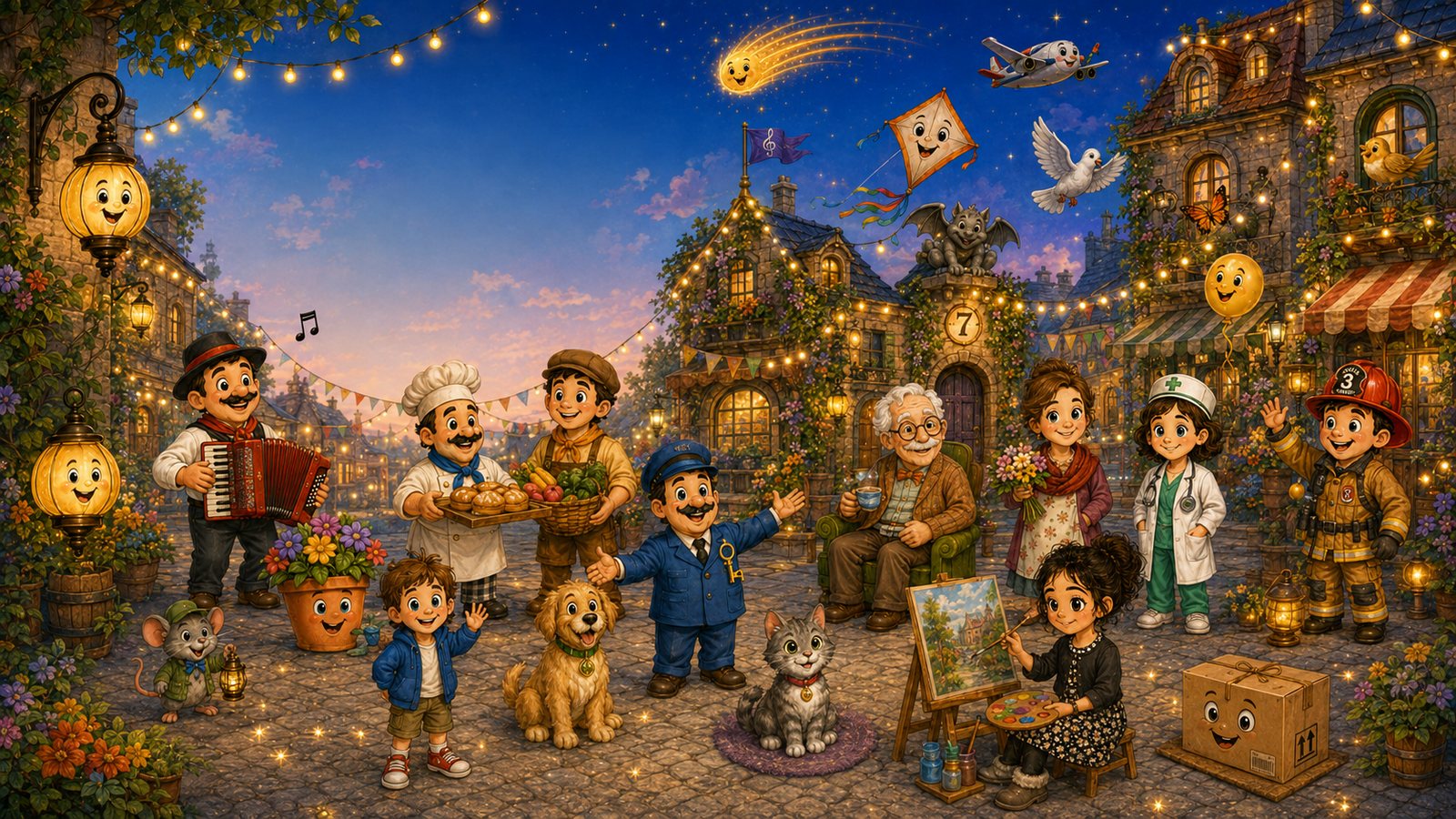
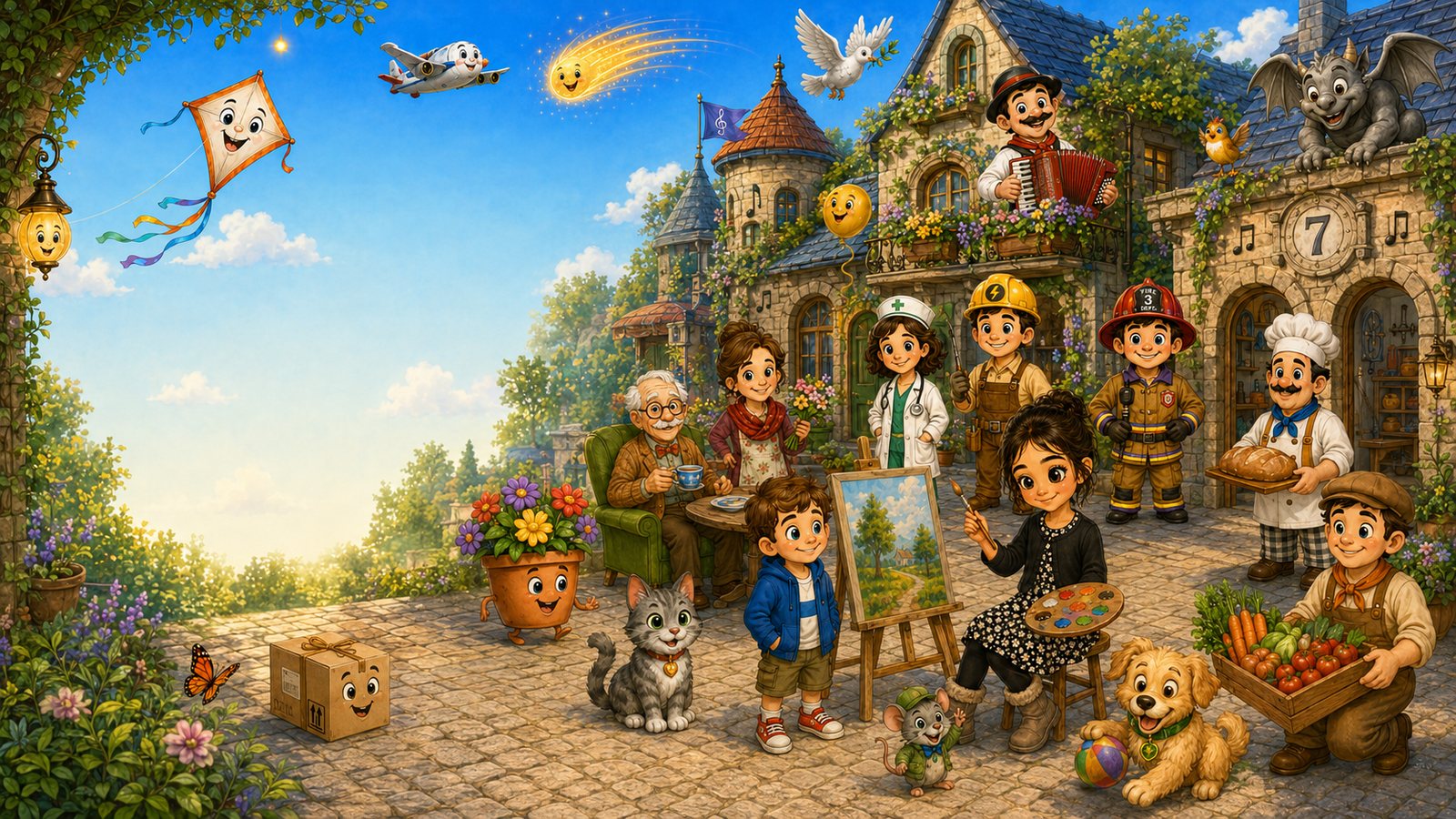
On 7 Music Street, the grand staff is a building. The lines are floors, the spaces are hallways, and a character lives at every single note from C2 to C6. Children stop counting lines and start recognising neighbours.

29 notes, 29 characters Storybook + workbook Web, iOS & Android
7 Music Street Tap a window
Left wing · bass
Right wing · treble
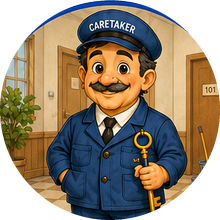
Cecil the Caretaker — Middle C. The only resident with no twin. He keeps the lamp on between the two wings.
Two wings, one height Pick any window. The neighbour at the same height in the other wing lights up too — that pair shares a story, and that is how children learn both clefs at once.
How it works

A map beats a mnemonic.

Most children learn the staff as a list of rules to recite. 7 Music Street gives them a place to picture instead — and places are much easier to remember than lists.

Floors & hallways

The staff is a building

Every line is a floor and every space is a hallway. A note sitting on a line lives on that floor; a note in a space lives down the hall. The difference a child used to squint at becomes obvious.

Paired friends

The wings mirror each other

Bass clef is the left wing, treble clef is the right. Characters standing at the same height in opposite wings are friends, and their stories connect — so learning one note teaches its partner too.

Names that fit

The name gives the letter

Every character's name starts with the letter of their note. Meet the resident, and you already know the note. No decoding, no counting up from the bottom line.

And when the notes run off the page, so does the street

GroundThe apartment buildingThe core grand staff, where most of the reading happens.
BelowThe jungleLow ledger lines, where the vines grow down past the cellar.
DeeperThe oceanThe deepest bass notes, C2 and its neighbours.
AboveSpaceThe highest treble notes, climbing to C6.
The apps

Ten minutes a day, and the street sticks.

The practice app is the book turned into a game. It runs fully offline, keeps a profile for every child in the house, and shows exactly which floors still need work.

  • Four difficulty levels, from single characters to stemmed multi-note reading
  • Two quiz modes — name the character, or name the note
  • A profile per player, with progress saved on the device
  • Daily practice charts, so a streak is visible
  • A building report showing accuracy floor by floor
  • No account, no ads, no internet needed
The books

Read the street, then walk it.

The storybook introduces the residents. The workbook puts a pencil in the child's hand and asks them to find those residents on a real staff.

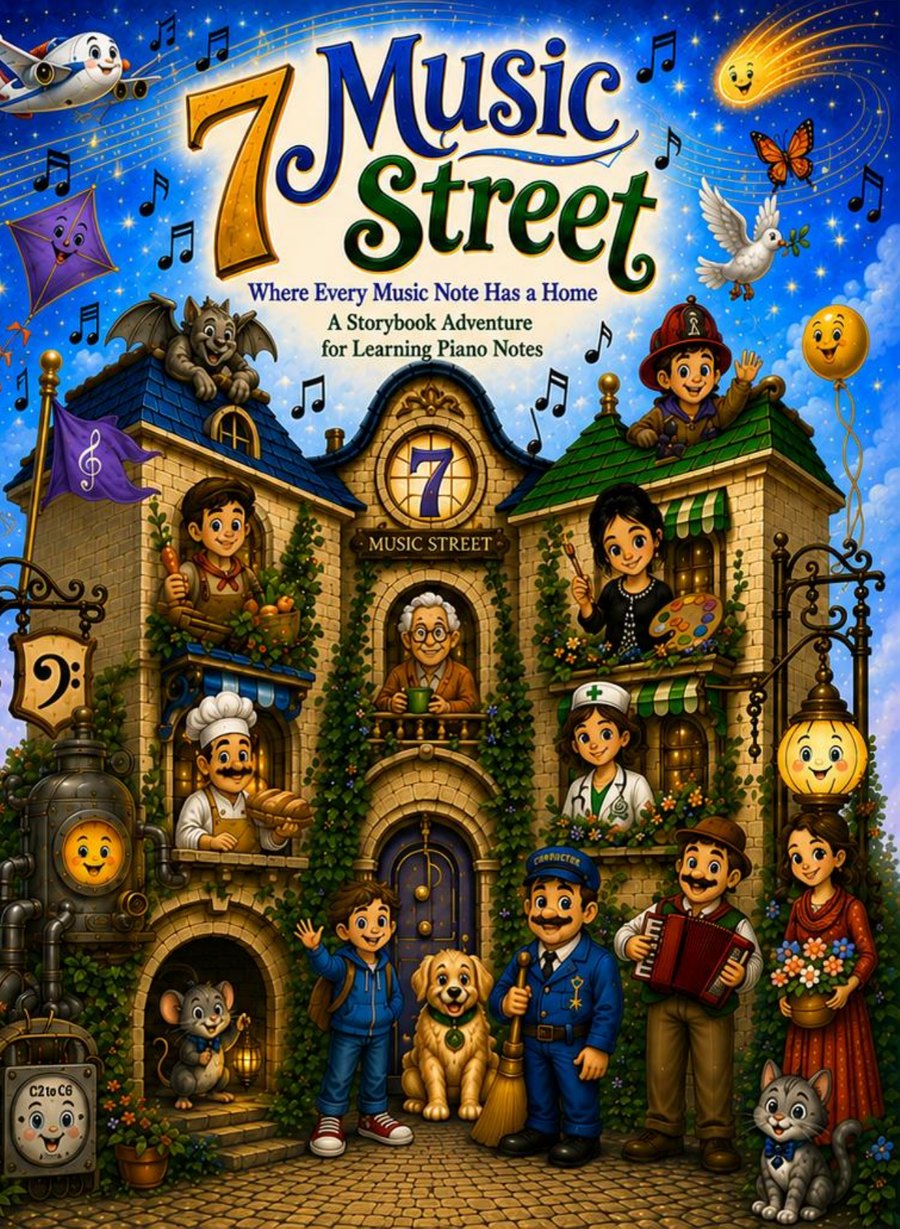
Storybook7 Music Street

Meet every resident from the ocean floor to outer space, one door at a time. Twenty-four pages, illustrated, written to be read aloud before a lesson or at bedtime.

Find it on Amazon
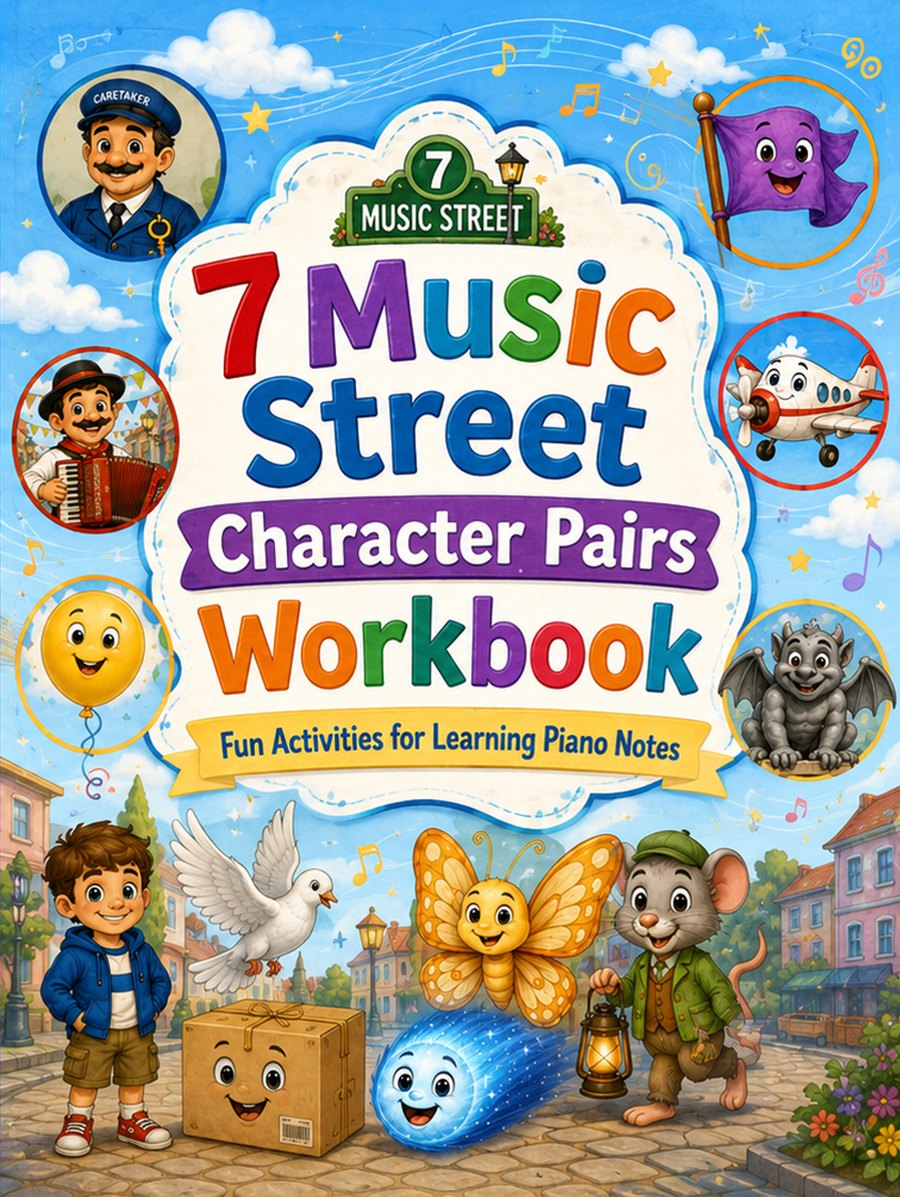
WorkbookCharacter Pairs

Thirty-five pages of practice built around the pairs: match the friends across the wings, place them on the staff, and name what you drew. Designed for teachers to assign a page a week.

Find it on Amazon
Our story

It started at a piano bench.

A child sits down, looks at the page, and starts counting lines from the bottom. Every note. Every time. The counting works, slowly, and then the piece stops being music and starts being arithmetic. Anyone who has taught a beginner has watched this happen.

We kept asking why the staff had to be abstract. It already looks like something: five lines with gaps between them, stacked, twice over, one set above the other. It looks like a building. And once you say that out loud, the rest follows — the lines are floors, the spaces are hallways, and if somebody lives at every note, then reading music becomes remembering who is home.

Children forget rules. They do not forget the neighbours.

So we built the street. Twenty-nine residents, each named for their own note. Two wings that mirror one another, so the bass clef stops being the hard one nobody practises. Cecil the Caretaker alone at Middle C, holding the whole building together. And when the music climbs past the roof or drops below the cellar, the street keeps going — into the jungle, down to the ocean, up into space.

Then children started reading it, and the questions started coming: can we practise the ocean notes tonight, can I be a different player than my sister, can Cedric come with us. That is where the workbook came from, and then the app, and then the film. Every piece of it exists because a reader asked for it.

7 Music Street is a small family project. We write it, illustrate it, test it on real students, and fix what does not work. If you teach with it, we would like to hear what happened.

Leila Karimi & Alla Karimi
Authors, 7 Music Street